Electronic Team uses cookies to personalize your experience on our website. By continuing to use this site, you agree to our cookie policy. Click here to learn more.

We are entering an era where technology is enhancing the vet’s ability to "read" behavior. Wearable technology—similar to fitness trackers for humans—can now monitor an animal’s sleep patterns, scratching frequency, and activity levels. In the near future, AI algorithms will likely assist veterinary scientists in predicting illness based on subtle behavioral deviations long before physical symptoms appear. Conclusion
Based on the review, I recommend that future studies focus on:
Insights from ethology (the study of behavior in nature) help staff use handling techniques that minimize physical force and reduce patient anxiety. We are entering an era where technology is
Veterinarians use animal behavior as a "sensitive measure" to identify underlying health issues before physical symptoms appear. Behavioral Red Flags
The synergy between behavior and veterinary science extends far beyond domestic pets. Conclusion Based on the review, I recommend that
Repetitive, purposeless behaviors—such as tail-chasing in dogs, psychogenic alopecia (over-grooming) in cats, or cribbing in horses—often stem from a mix of environmental deprivation and neurological imbalances. Veterinary science helps differentiate whether these actions are purely psychological or triggered by dermatological allergies and neurological lesions. 3. Fear-Free and Low-Stress Handling Practices
Genetic research aims to pinpoint the specific hereditary markers responsible for complex behaviors like idiopathic aggression and noise reactivity, allowing for early intervention and informed breeding practices. purposeless behaviors—such as tail-chasing in dogs
Conversely, understanding normal species-specific behavior helps prevent inappropriate euthanasia. A growling dog is not “vicious” but communicating discomfort. A hissing cat is not “mean” but fearful. Behavioral education saves lives by reframing these signals.
Donglify is an advanced software tool specifically built for establishing reliable and secure connections to remote USB dongle keys over the Internet. One of the most remarkable features of this solution is its ability to enable simultaneous access to a dongle from multiple remote machines.
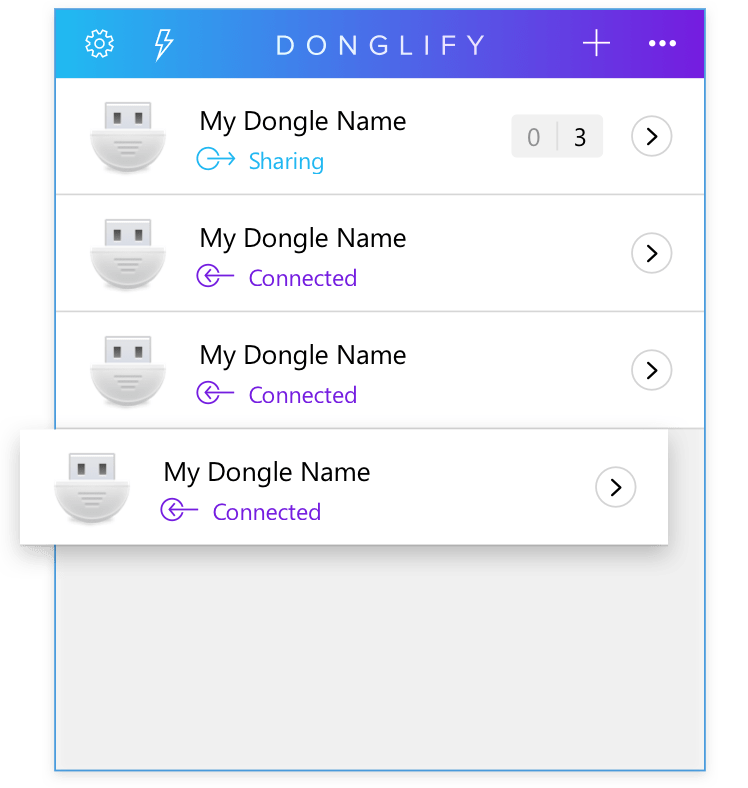
Price: from $29 per month
Trial: 7 days
Platforms: Windows, MacOS
As a specific-purpose software solution, Donglify will be a perfect fit for those looking for a powerful tool that can safely USB dongle over the network in a couple of clicks. Now, let's consider Donglify’s most significant pros and cons.
 Pros.
Pros.
 Cons.
Cons.
We are entering an era where technology is enhancing the vet’s ability to "read" behavior. Wearable technology—similar to fitness trackers for humans—can now monitor an animal’s sleep patterns, scratching frequency, and activity levels. In the near future, AI algorithms will likely assist veterinary scientists in predicting illness based on subtle behavioral deviations long before physical symptoms appear. Conclusion
Based on the review, I recommend that future studies focus on:
Insights from ethology (the study of behavior in nature) help staff use handling techniques that minimize physical force and reduce patient anxiety.
Veterinarians use animal behavior as a "sensitive measure" to identify underlying health issues before physical symptoms appear. Behavioral Red Flags
The synergy between behavior and veterinary science extends far beyond domestic pets.
Repetitive, purposeless behaviors—such as tail-chasing in dogs, psychogenic alopecia (over-grooming) in cats, or cribbing in horses—often stem from a mix of environmental deprivation and neurological imbalances. Veterinary science helps differentiate whether these actions are purely psychological or triggered by dermatological allergies and neurological lesions. 3. Fear-Free and Low-Stress Handling Practices
Genetic research aims to pinpoint the specific hereditary markers responsible for complex behaviors like idiopathic aggression and noise reactivity, allowing for early intervention and informed breeding practices.
Conversely, understanding normal species-specific behavior helps prevent inappropriate euthanasia. A growling dog is not “vicious” but communicating discomfort. A hissing cat is not “mean” but fearful. Behavioral education saves lives by reframing these signals.