Very Hot Desi Mallu Video Clip Only 18 Target Full [work] Info
Learn more!
Download Cheat Droid only from here in order to prevent yourself from fakes and viruses.
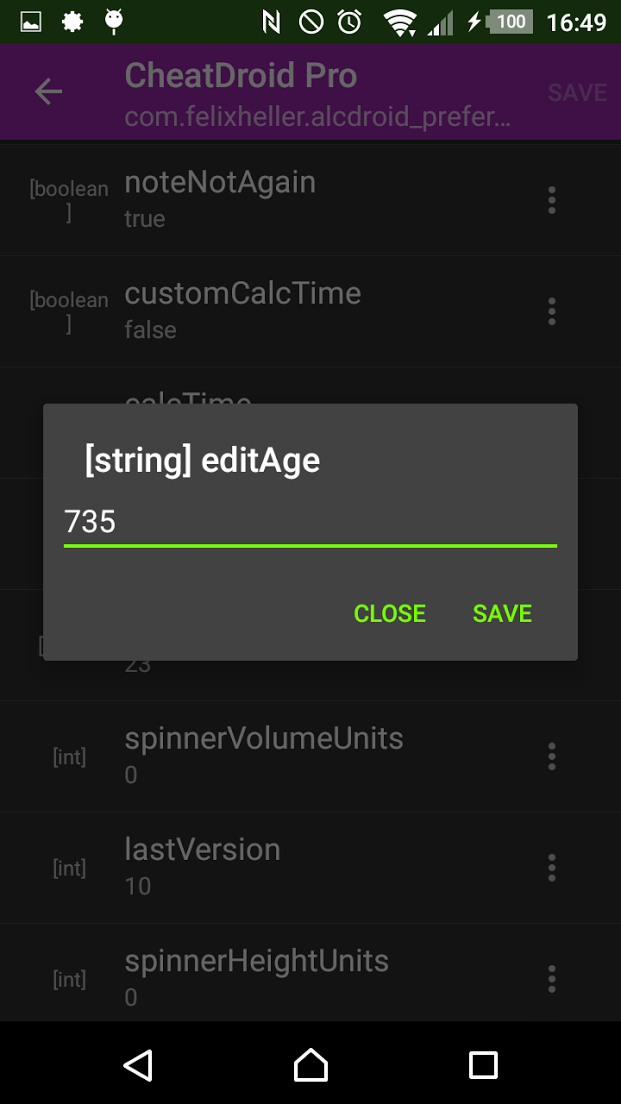
Unfortunately, it is not possible to perform Android Cheats without a rooted device.
Perfect for debugging self-developed apps or finding security vulnerabilities!
Comes with a Shared Preferences editor, a Text Editor and a SQLite Browser!
Revert and Restore Android Cheats!
M. T. Vasudevan Nair transitioned into screenwriting himself, penning timeless classics like Oru Vadakkan Veeragatha (1989), which subverted traditional folklore to humanize a historical villain.
Crucially, the industry has begun to dismantle its own casteist blind spots. For decades, heroes were upper-caste (Nair, Christian, or Namboodiri), while Dalit characters were sidekicks or comedic relief. Recent films like Jai Bhim , Nayattu (2021), and Biriyaani (2020) have shifted the gaze, centering the story on the survival of the oppressed, not the redemption of the savior.
Perhaps the most significant contribution of Malayalam cinema to cultural discourse is its treatment of language and caste. The Malayalam spoken on screen has evolved. Where older films used a standardized, literary dialect, modern films revel in regional slang: the rough, aggressive Thiruvananthapuram dialect, the musical flow of Thrissur, or the unique mix of Arabic and Malayalam in the Malabar region ( Mappila dialect). very hot desi mallu video clip only 18 target full
The golden era of literary adaptations reached its peak with Chemmeen (1965), based on Thakazhi Sivasankara Pillai’s iconic novel. The film explored the tragic romance between a Hindu fisherwoman and a Muslim trader, deeply exploring the myths, superstitions, and coastal culture of Kerala's fishing community. Chemmeen earned the region its first National Film Award for Best Feature Film, putting Mollywood on the national map.
For years, sex was a joke or a fade-to-black. Then came Moothon (2019), which frankly depicted queer longing in the Lakshadweep islands. Great Indian Kitchen (2021) became a cultural phenomenon not for showing nudity, but for showing the drudgery of a housewife’s day—washing dishes, mopping floors, and managing a patriarchal kitchen. The infamous "pregnancy test" scene in The Great Indian Kitchen sparked real-life divorces and public debates across Kerala. Crucially, the industry has begun to dismantle its
The culinary heritage of Kerala is another cultural staple celebrated on screen. Whether it is the traditional vegetarian Sadya served on a banana leaf, the Malabar Biryani of Kozhikode, or the local toddy shop delicacies, food is used to establish community, warmth, and regional identity. Films like Ustad Hotel explicitly use food as a metaphor for love, legacy, and cross-generational bonding. Representation of Relatability over Stardom
Malayalam cinema, popularly known as , serves as a profound mirror to the unique socio-cultural fabric of Kerala . While other regional film industries in India often lean toward high-octane spectacle, Malayalam cinema has carved a niche through its realistic storytelling , emphasis on strong scripts, and deep connection to the Malayali ethos. The Evolution of a Cultural Mirror The journey of Malayalam cinema began with J.C. Daniel , the "father of Malayalam cinema," and his 1928 film Vigathakumaran With its unique storytelling
The modern Malayalam film industry doesn’t just serve Kerala; it serves a global diaspora of 3 million Malayalis spread across the Gulf, the US, and Europe.
Overall, Malayalam cinema has played a significant role in promoting Kerala culture and traditions, both nationally and internationally. With its unique storytelling, direction, and performances, Malayalam cinema continues to evolve and entertain audiences worldwide.