Open source RGB lighting control that doesn't depend on manufacturer software


One of the biggest complaints about RGB is the software ecosystem surrounding it. Every manufacturer has their own app, their own brand, their own style. If you want to mix and match devices, you end up with a ton of conflicting, functionally identical apps competing for your background resources. On top of that, these apps are proprietary and Windows-only. Some even require online accounts. What if there was a way to control all of your RGB devices from a single app, on both Windows and Linux, without any nonsense? That is what OpenRGB sets out to achieve. One app to rule them all.


Version 1.0rc2, additional downloads and versions on Releases page

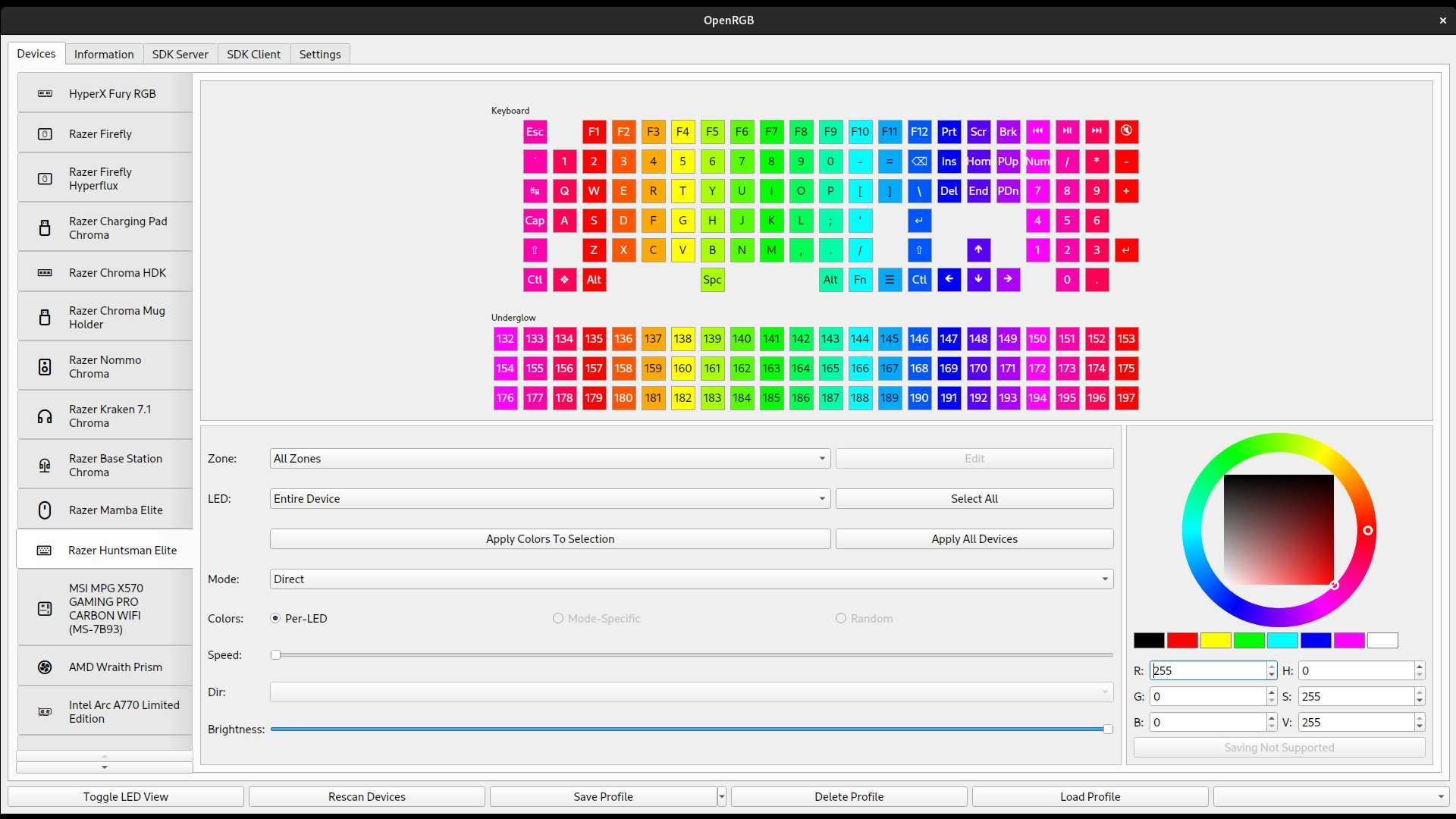
OpenRGB user interface

Control RGB without wasting system resources

Lightweight User Interface

OpenRGB keeps it simple with a lightweight user interface that doesn't waste background resources with excessive custom images and styles. It is light on both RAM and CPU usage, so your system can continue to shine without cutting into your gaming or productivity performance.

OpenRGB rules them all

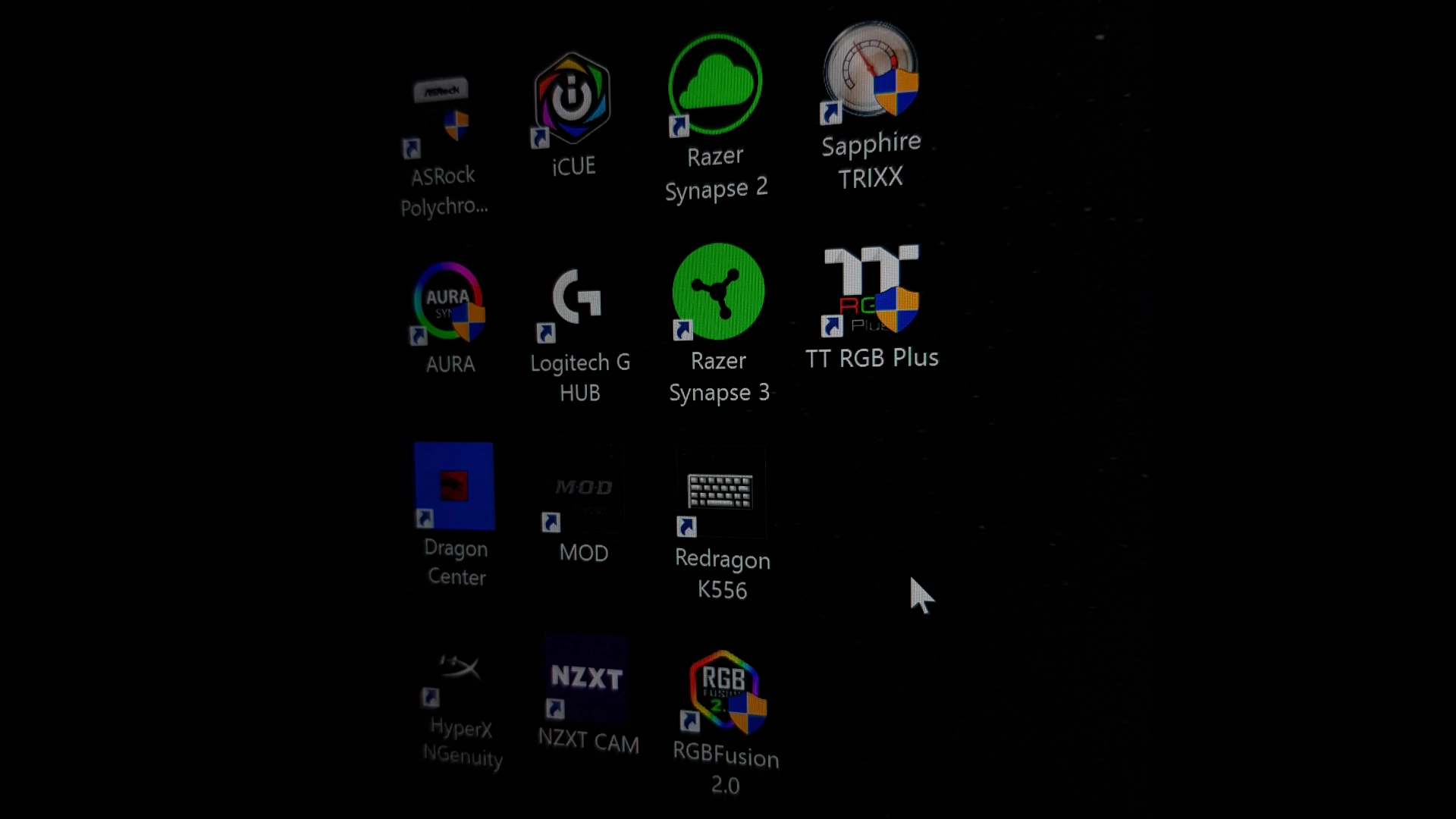
Control RGB from a single app

Eliminate Bloatware

If you have RGB devices from many different manufacturers, you will likely have many different programs installed to control all of your devices. These programs do not sync with each other, and they all compete for your system resources. OpenRGB aims to replace every single piece of proprietary RGB software with one lightweight app.

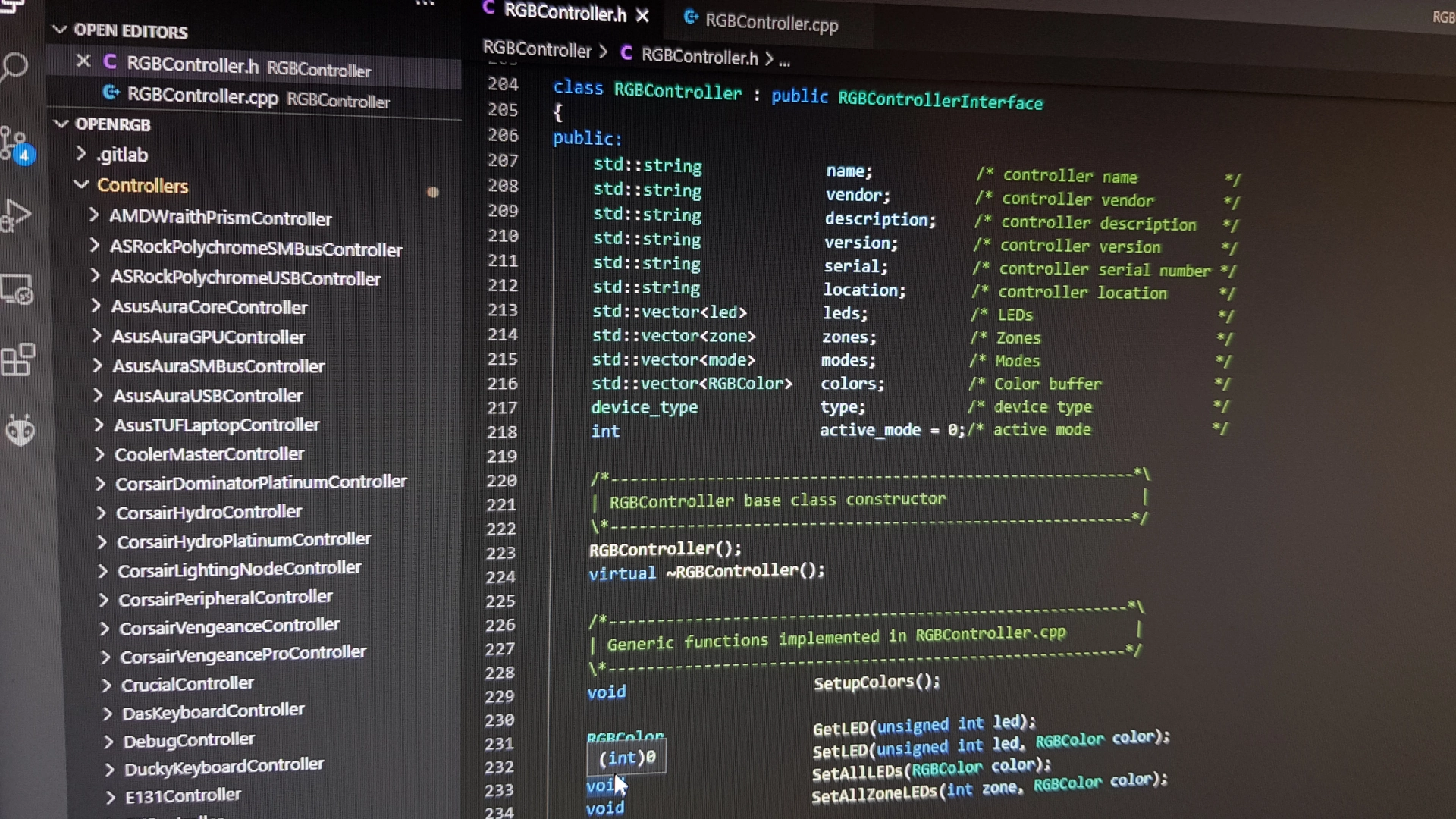
OpenRGB is open source software

Contribute your RGB devices

Open Source

OpenRGB is free and open source software under the GNU General Public License version 2. This means anyone is free to view and modify the code. If you know C++, you can add your own device with our flexible RGB hardware abstraction layer. Being open source means more devices are constantly being added!


Check out the source code on GitLab
OpenRGB is Cross-Platform

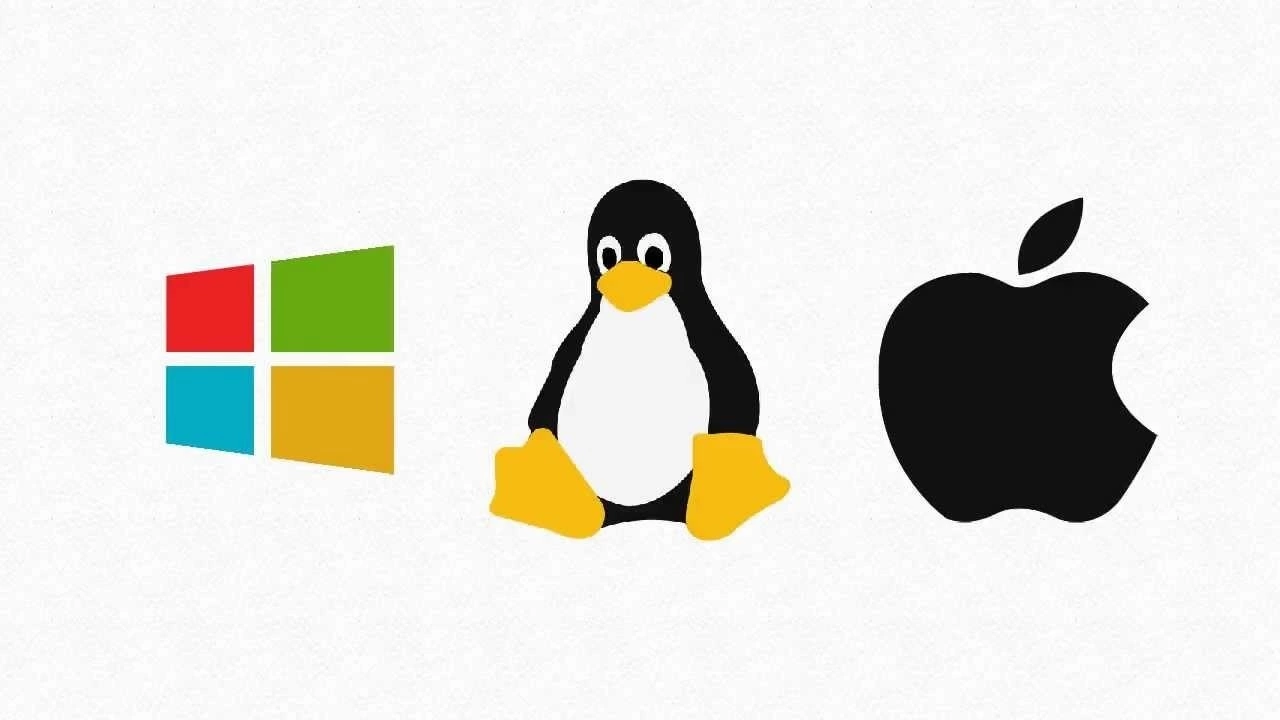
Control RGB on Windows, Linux, and MacOS

Cross-Platform

OpenRGB runs on Windows, Linux and MacOS. No longer is RGB control a Windows-exclusive feature! OpenRGB has been tested on X86, X86_64, ARM32, and ARM64 processors including ARM mini-PCs such as the Raspberry Pi.

Ufs Explorer Professional Recovery 109 Portable [hot] -

If you own a license, here’s a safe method:

A single portable toolset can be used across multiple workstations in a laboratory or field environment. New Features and Enhancements in Version 10.9

: It features automated array assembly and a manual RAID builder for cases with missing or wiped metadata, supporting standard, nested, and vendor-specific configurations like Drobo BeyondRAID Synology SHR Virtualization and Forensic Support : You can directly mount virtual disk images ( ufs explorer professional recovery 109 portable

With full support for digital evidence formats (forensic disk images), this version is perfectly suited for forensic investigators, enabling detailed analysis of storage images. Why Choose the Professional Version Over Others?

No installation required; zero risk of overwriting lost data. If you own a license, here’s a safe

Deploying the software via a portable executable provides critical advantages for data integrity:

What (SSD, HDD, RAID array, USB) are you recovering from? No installation required; zero risk of overwriting lost data

While the term "portable" often refers to unofficial third-party repackages, the official software supports being run from Linux Live CDs for emergency triage. UFS Explorer

is, without hyperbole, one of the most powerful data recovery tools ever created. It can resurrect data from the digital grave in situations where other tools fail entirely.