Built with Apple WeatherKit data

Primavera P6 Pdf Tutorial Verified !!exclusive!!

iPhone iPad Apple Watch Widgets

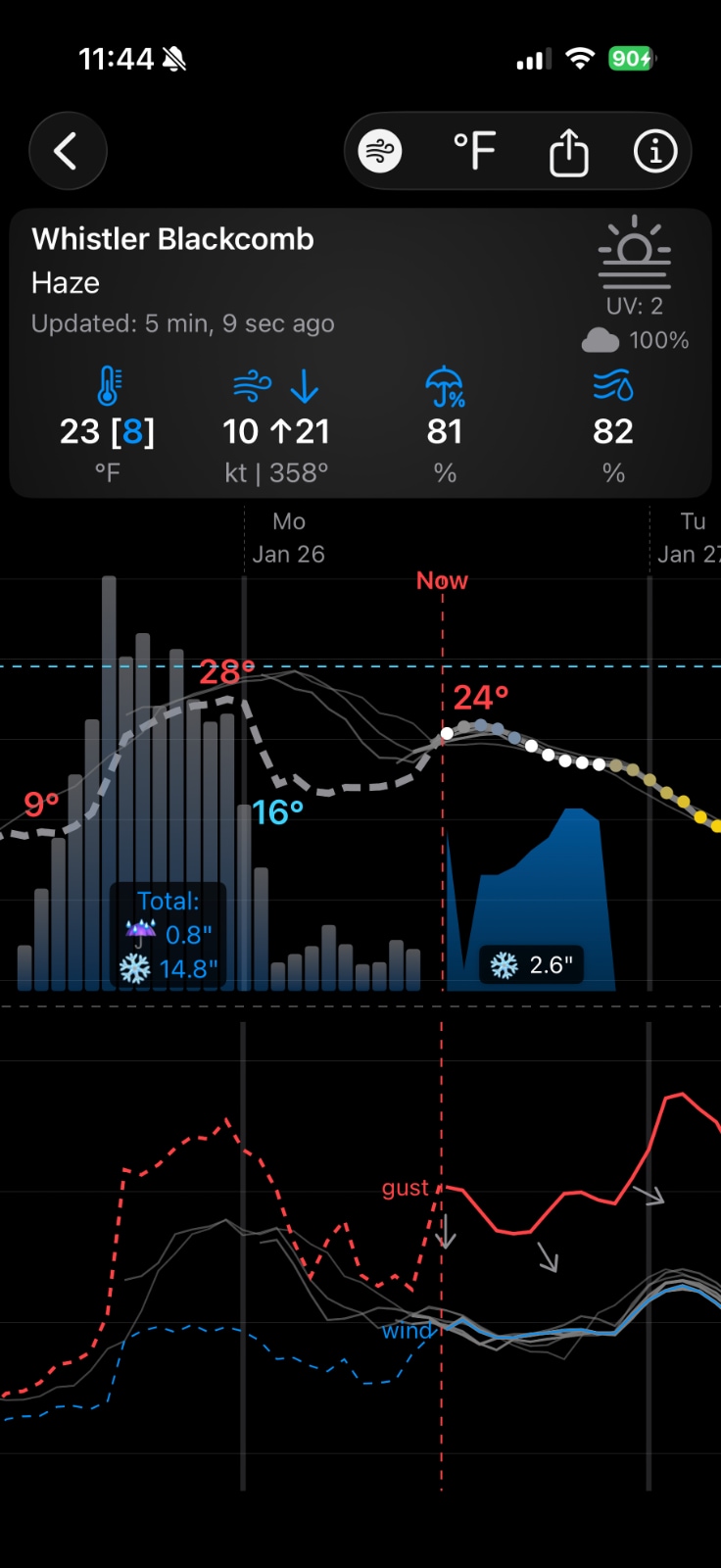
Weathercaster turns forecast data into a fast visual read. Read cloud cover from point color, precipitation from blue shading, and current conditions from a compact header, then tap and hold to inspect the forecast in detail.Learn more

5-star average review
Indie App independently made
Privacy No data collection
Weathercaster screenshot showing current conditions, forecast chart, and wind chart

Primavera P6 Pdf Tutorial Verified !!exclusive!!

Project management is the backbone of successful construction, engineering, and IT projects. Among the plethora of project management tools available, Oracle's Primavera P6 Enterprise Project Portfolio Management (EPPM) stands out as the industry standard for scheduling, resource management, and controlling complex, large-scale projects.

Used when the duration is locked, but resource availability or productivity rates can vary.

Every schedule needs a home. You must define your organizational structures before building a schedule file. Create the OBS Navigate to > OBS . Click Add on the right command bar. Name the node (e.g., "Infrastructure Division"). Use the arrow keys to shift the hierarchy position. Create the EPS primavera p6 pdf tutorial verified

Primavera P6 is a project management software developed by Oracle Corporation. It is widely used in various industries, including construction, engineering, and IT, to manage complex projects. The software provides a robust set of tools to plan, schedule, and control projects, ensuring that they are completed on time, within budget, and to the required quality standards.

Set the : Labor , Nonlabor (equipment), or Material . Every schedule needs a home

A verified tutorial begins at the very start: connecting to the P6 database (either the SQLite standalone or an Oracle server). It should explain the difference between the PMDB (Project Management Database) and the MMDB (Metadata Database).

(Note: This text provides a verified, professional-grade summary of the standard P6 workflow. You may save this text as your tutorial.) Click Add on the right command bar

Before downloading any file, understanding the keyword is crucial. The internet is flooded with outdated tutorials (e.g., for P6 version 8.2, while the current is 22+), corrupted files, or guides written by non-practitioners.

We hope this article and tutorial have been helpful in your journey to learn Primavera P6. Happy learning!

: A concise, 7-page PDF covering project and calendar creation.

Task B cannot start until Task A finishes. (Most common). Start-to-Start (SS): Task B can start once Task A starts.
Built around the chart

Weathercaster's core idea is simple: show more useful forecast context in a format you can scan quickly instead of making you bounce between dense tables and tiny icons.

Chart-first weather

Cloud cover, precipitation, and trend changes in one glance

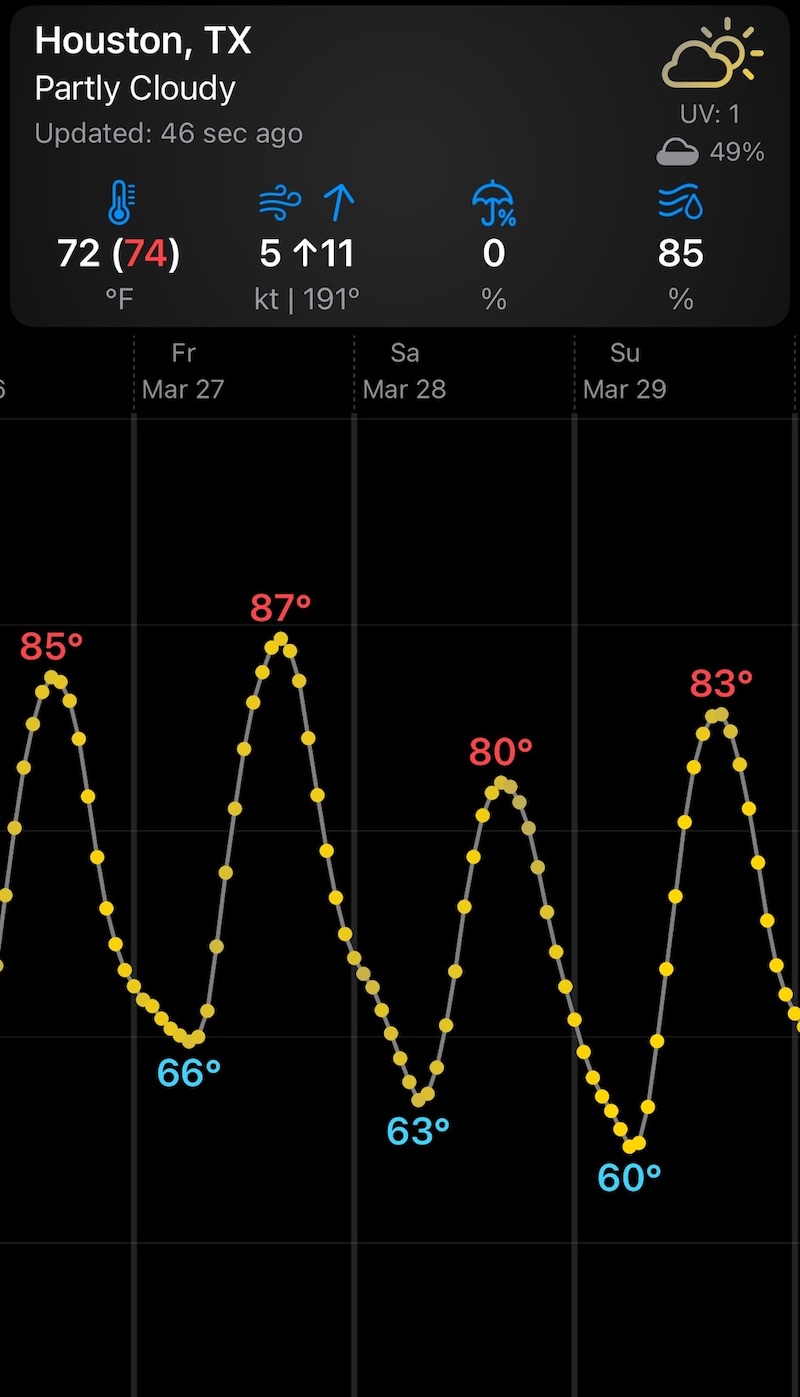
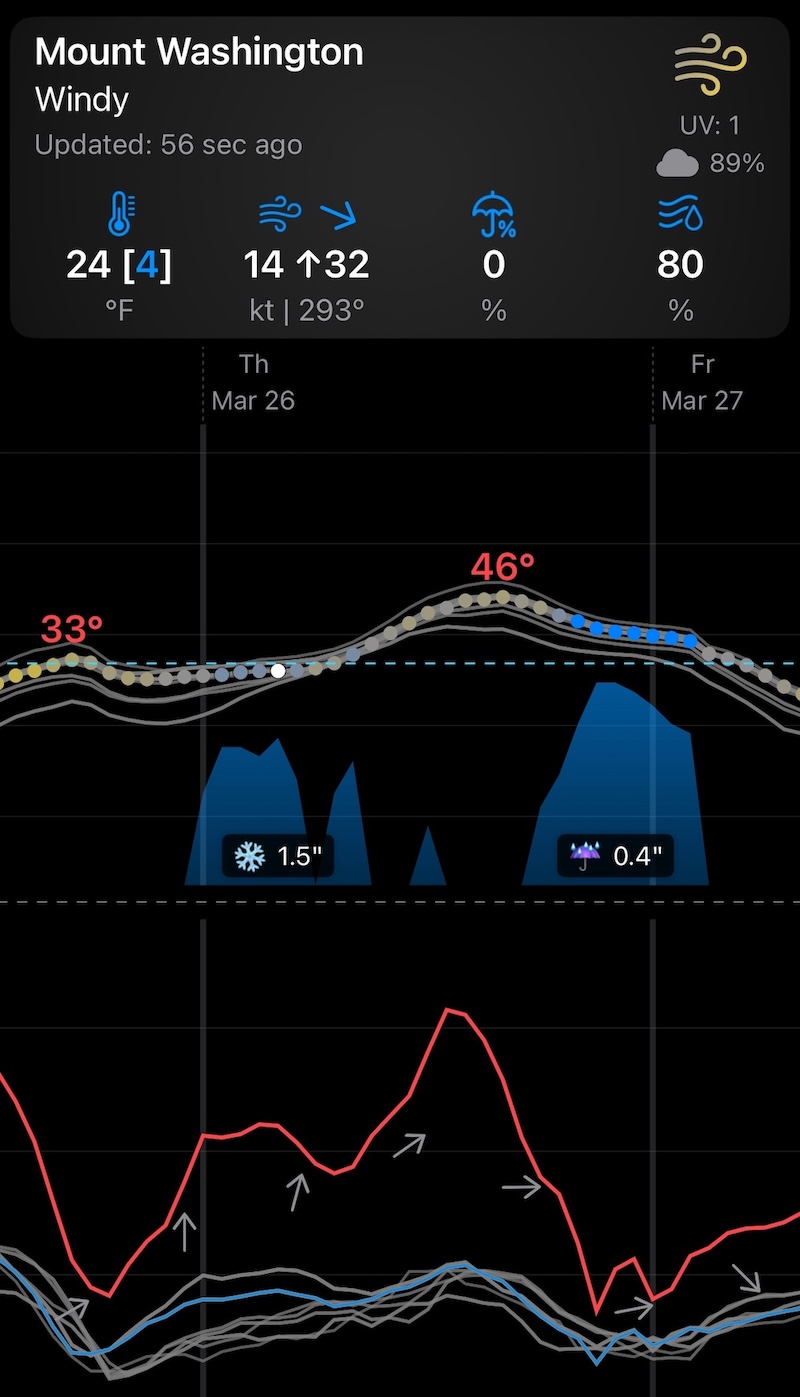
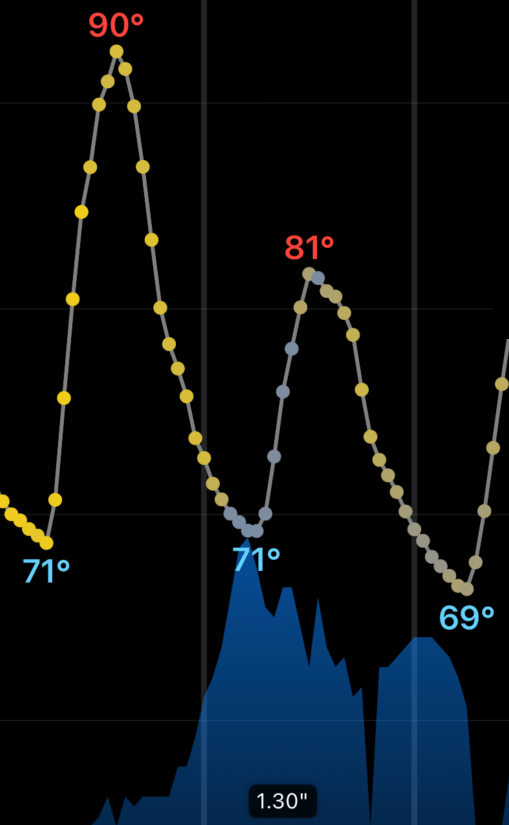
Weathercaster shows forecasts in a chart format. Point color tells you about cloud cover, with yellow for sunny stretches, gray for cloudy hours, and in-between shades for mixed conditions. Blue points mark likely rain, while white points mark likely snow. Tap and hold anywhere on the chart to inspect a specific hour and see the detailed weather data.

  • Point color signifies sun, clouds, rain, and snow.
  • The line chart rises and falls with temperature, with labels showing maximums and minimums.
  • Lightning icons ⚡️ appear on the chart for hours when lightning is possible.
  • Blue shading under the line chart shows precipitation probability.
  • Precipitation events are labeled with the likely amount of rain ☔️ and/or snow ❄️ that will fall.
  • You can also activate a wind chart to see wind speed and direction.
  • In Pro, faded ghost lines can show older model runs so you can see where the forecast used to be and how it is changing.
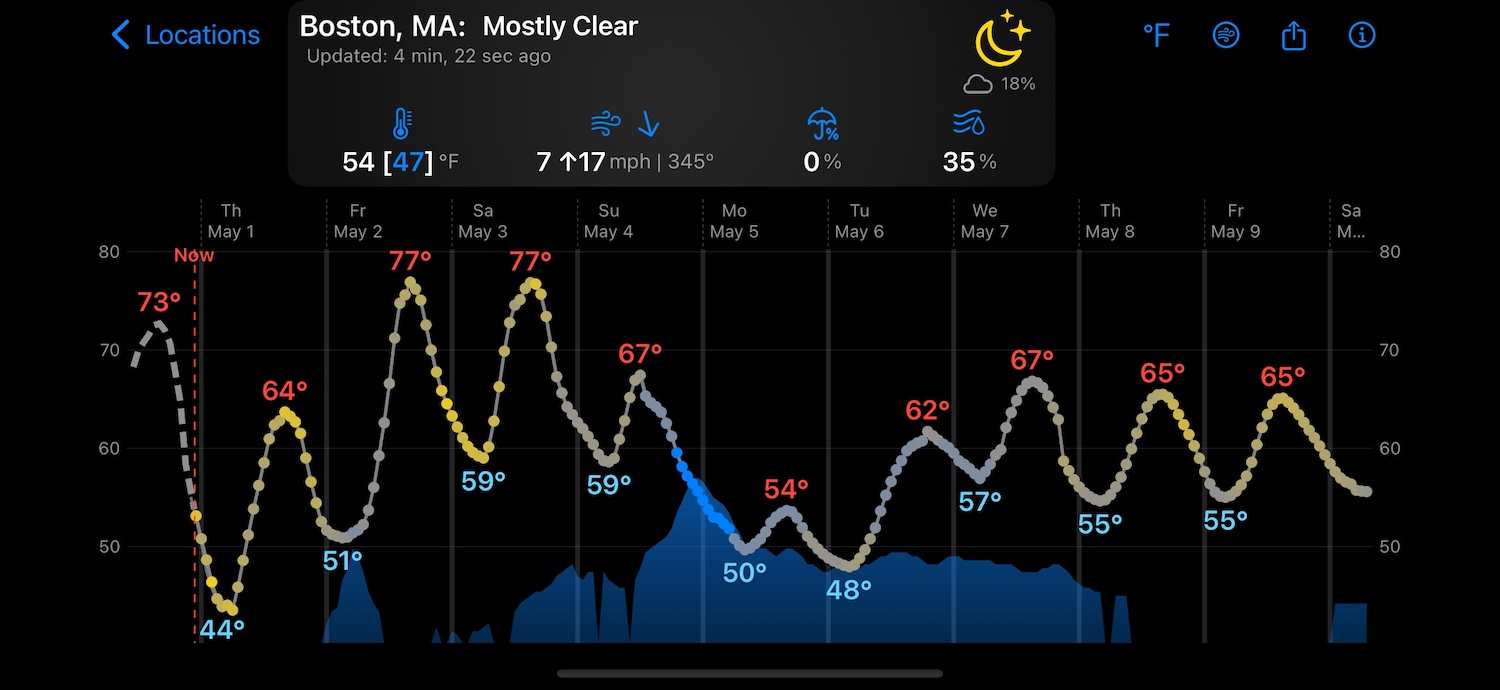
  • Landscape mode gives you a full 10-day forecast view.
Weathercaster chart screenshot
Weathercaster full-screen landscape forecast view
Landscape mode

Turn your phone sideways for a wider forecast read

The app's help text points out one of the most useful tricks: rotate into landscape to see a full-screen 10-day forecast with much more room to read changing conditions.

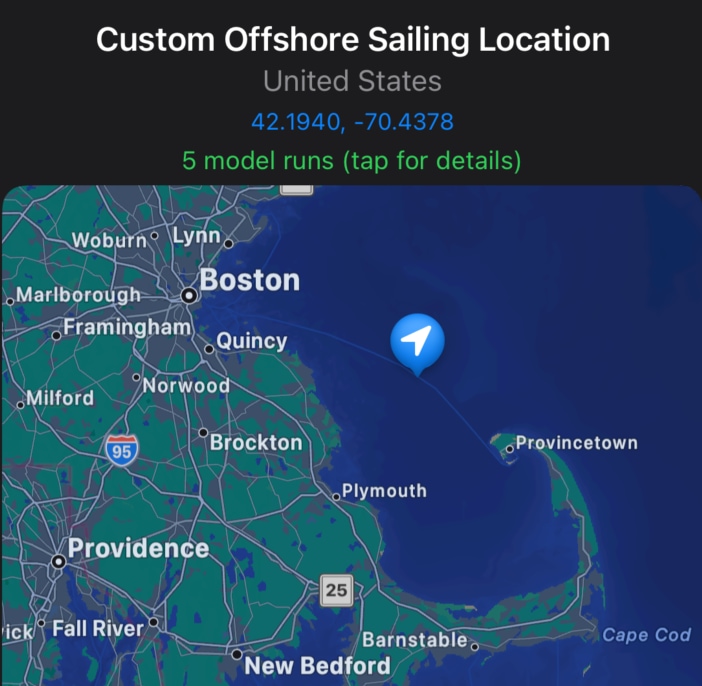
Weathercaster custom map location adjustment
Custom locations

Fine-tune the exact forecast spot

When search is close but not exact, Pro lets you move a pin on the map to dial in trailheads, ski areas, offshore points, or other hard-to-name places.

Share and inspect

Go deeper without getting lost

Zoom the chart, open the separate wind view, share current conditions or the forecast image, and export CSV data when you want to work with the forecast outside the app.

See what Weathercaster includes, and what Pro unlocks

Free mode already covers the core chart-first forecast experience. Pro adds more places, more control, and more ways to compare how the forecast changes over time.

Included Free

Everyday weather, without paying first

Free mode gives you the core Weathercaster experience for daily weather monitoring, including the chart view, quick inspection, widgets, and Apple Watch support. The main limitations are the number of locations you can add, small promos for our other apps, and the absence of Weathercaster's more advanced tools.

  • Add up to two locations through search.
  • Use the full chart-first forecast view with tap-and-hold inspection.
  • Keep your top location available on Apple Watch.
  • Keep your top location available in widgets.
  • Free locations stay simple, so they cannot be renamed or reordered.
  • Free users may see small, unobtrusive promos for other Catspaw apps, and those can be removed by upgrading to Pro.
Unlock with Pro

More places, more control, and deeper weather context

Pro is built for people who track more than a couple of spots, need more precise location control, or want to understand how the forecast is changing over time.

  • Track unlimited locations.
  • Rename and reorder your location list to keep it organized.
  • Move locations on a map for finer control, including offshore points and remote backcountry spots that do not show up in search.
  • Use shortcuts to add active tropical storms and hurricanes.
  • Export forecast data as CSV for offline analysis.
  • Show multiple model runs on the chart to see how forecasts are trending over time.
  • Remove the small promos and go ad-free.

Questions people usually ask first

Yes. Weathercaster is free to download from the App Store.

Pro unlocks unlimited locations, location renaming and reordering, shortcuts for active hurricanes and tropical storms, map-based location adjustment, model runs on the chart, CSV export, and removal of ads.

Weathercaster runs on iPhone, iPad, Mac with Apple silicon, and Apple Watch.

Weathercaster uses Apple WeatherKit data, which Apple sources from forecast offices around the world. You can learn more about Apple WeatherKit's data sources here.

Yes. You can search for places, use your current location, or add a random location. Pro users can also add active hurricanes and tropical storms and fine-tune exact forecast spots on a map.

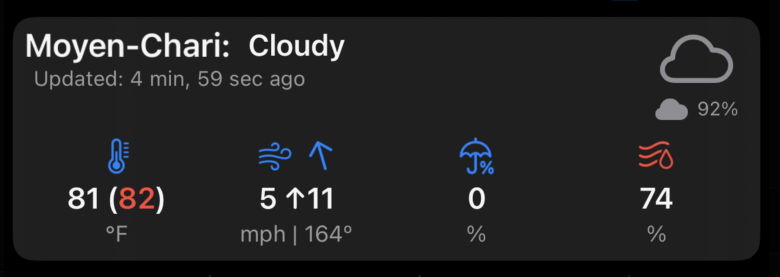
Weathercaster is built around the chart itself. You can see temperature, cloud cover, precipitation, wind speed and direction, lightning probability, and more at the same time. It also makes it easier to tell when a weather event will begin and end than with a traditional weather app. Rather than just knowing it will rain sometime today, Weathercaster helps you see when it is most likely to start and stop.

Yes. Weathercaster was originally inspired by meteorology tools used on wind farms, where chart-based forecasts help operators understand exactly when weather events will start and stop. That same timing precision is useful for hikers, sailors, boaters, and pilots. Pro users can place a forecast pin at exact coordinates on a map, including offshore points, mountain summits, and trailheads that do not appear in standard location search.

Unlike Carrot Weather, which focuses on personality and customizable layouts, Weathercaster is built around a single chart that shows temperature, cloud cover, precipitation, wind, and lightning simultaneously without switching views. Unlike Apple Weather, which uses daily icon grids, Weathercaster uses hourly line charts that make it easy to see when conditions change. Both Weathercaster and Carrot Weather use Apple WeatherKit data, but Weathercaster's chart-first design prioritizes information density and timing.

Yes. You can download a forecast before heading out, and it will remain viewable in the app while you are offline. This is useful for backcountry trips, sailing, or any situation where you may lose cell service.

Yes. Weathercaster includes Home Screen widgets for iPhone and iPad, plus a dedicated Apple Watch app. Both provide glanceable access to your top location's forecast without opening the full app.

Weathercaster is free to download and use with up to two locations. Pro is available as an in-app purchase and unlocks unlimited locations, hurricane tracking, map-based location adjustment, model-run overlays, CSV export, and ad removal. Check the App Store listing for current pricing.

No. Weathercaster has a strict privacy-first policy. The app uses no third-party analytics, no ads, and no trackers. Your location is only accessed when you specifically request a forecast, and no personal data is collected or shared.

Learn more about Weathercaster

Detailed comparisons, use-case guides, and educational resources to help you get the most out of chart-based forecasting.

Weathercaster app icon WeatherGraph icon art

From WeatherGraph to Weathercaster

In 2013, Mark and Jackson met at Southside Espresso in Houston, Texas. At the time, they were both independently building apps, trading ideas over coffee and staying connected in the years that followed. Eventually, they decided to collaborate.

Jackson's work in renewable energy, specifically on a meteorology team supporting wind farms, sparked the core idea. Forecast data for energy operators was delivered in chart form, making it faster to interpret and easier to act on. Compared to traditional weather forecasts, charts made complex data immediately understandable.

That insight became their first app: WeatherGraph. Built using National Weather Service data, it focused on clarity and speed through visual forecasting. While powerful, it had limitations, most notably being restricted to the United States due to its data source.

Years later, in 2024, Jackson set out to reimagine the concept from the ground up. The new project, initially codenamed Weatherpaw, was designed to take advantage of modern Apple technologies like SwiftUI and WeatherKit, while expanding beyond earlier constraints.

Mark rejoined the effort, and together they built something new.

That project became Weathercaster, a modern, visual-first weather app rooted in the same original idea: weather should be fast, clear, and intuitive to understand.

Start tracking weather visually

Download Weathercaster from the App Store, build your first forecast list, and decide later whether you want Pro's deeper weather tools.

Download on the App Store