
...
...

Leave your contact details and our
consultant will contact you
new version - DrufelCNC 1.20


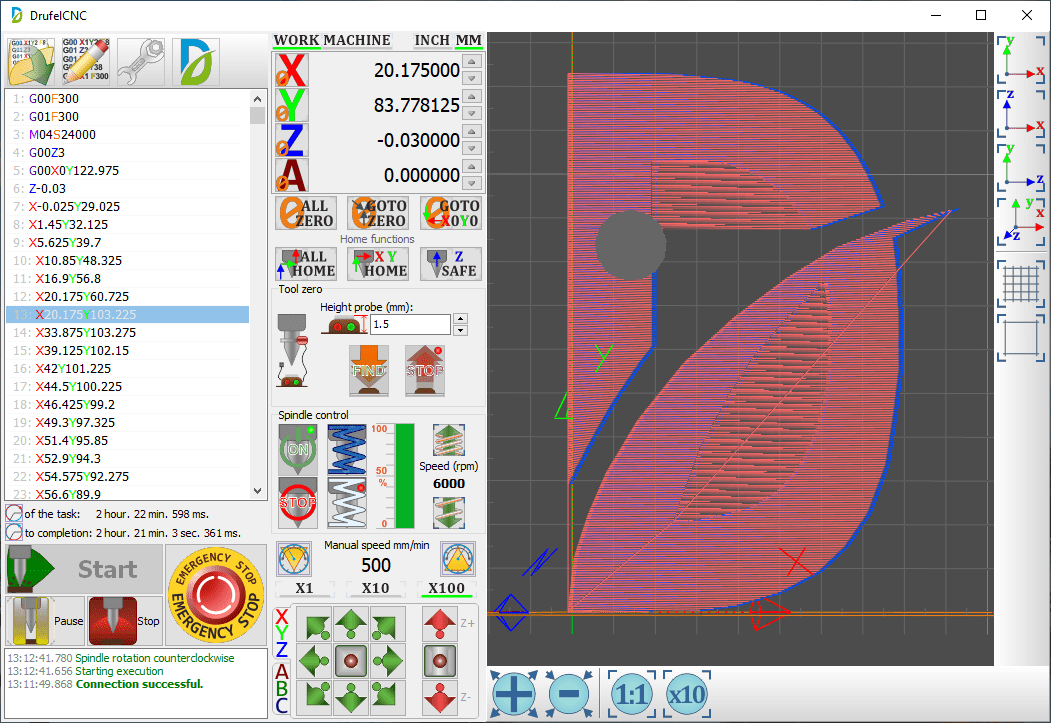
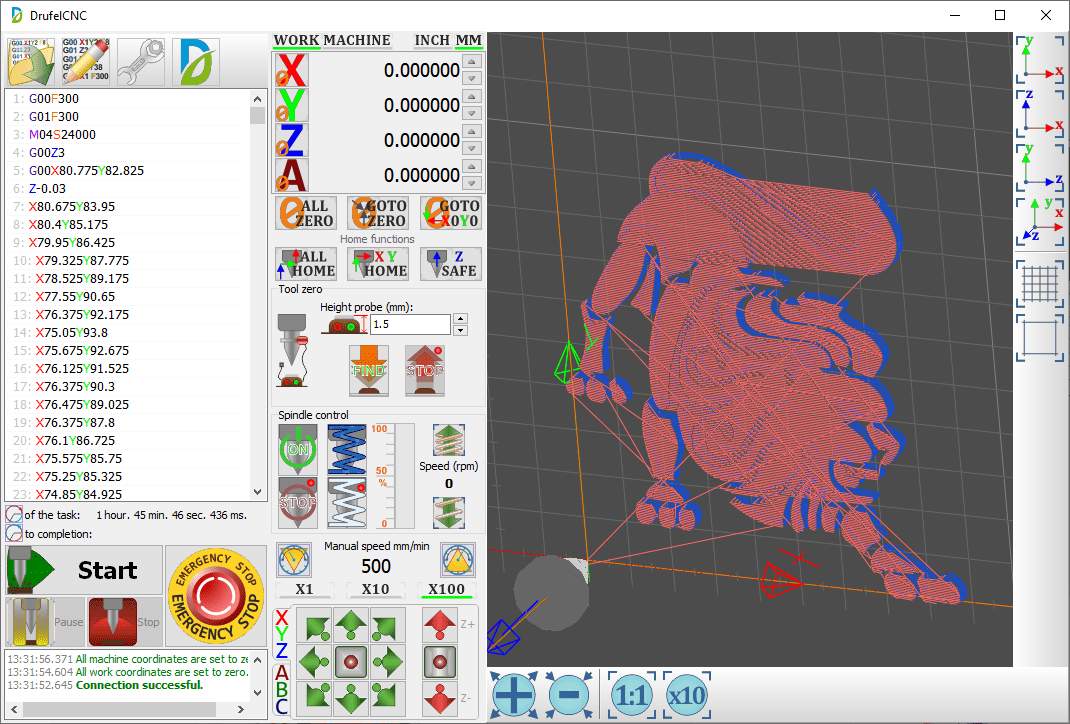
Main window
Main window 3D model
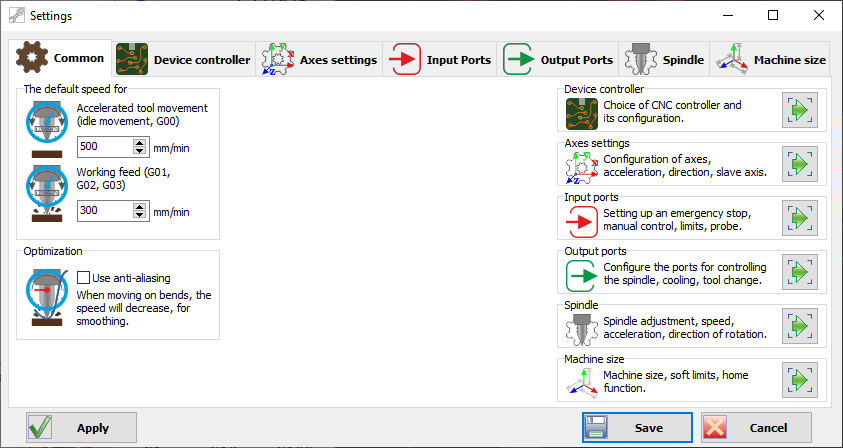
Common settings
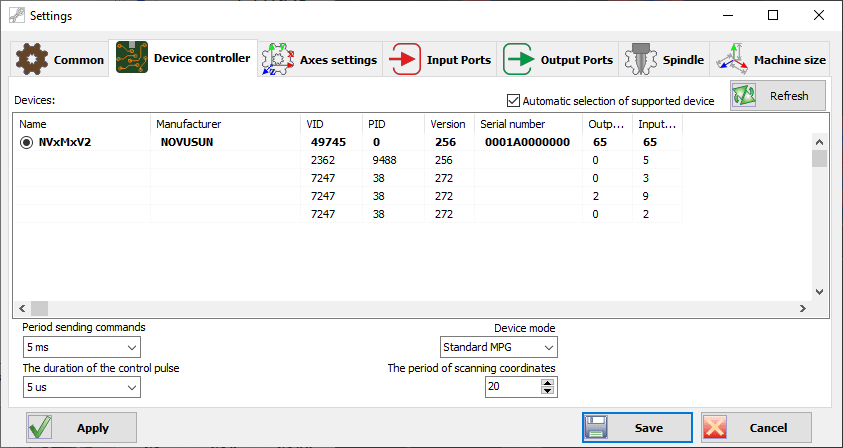
Controllers settings
Axes settings
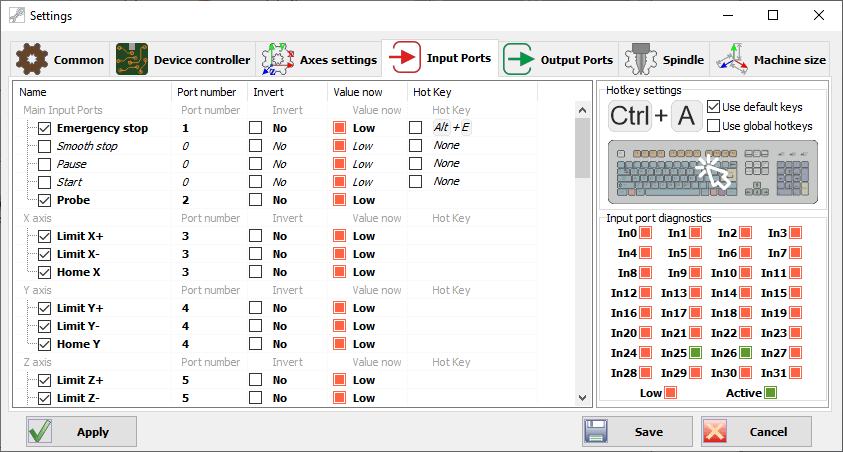
Input ports
Output ports
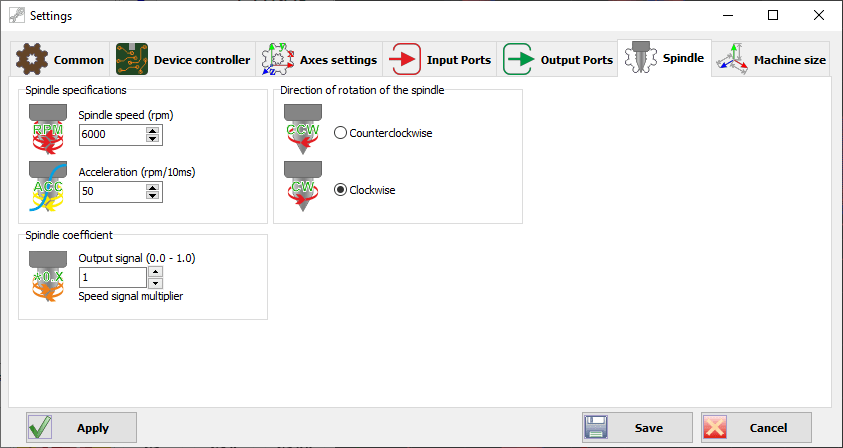
Spindle
Machine size
Manual control ABC
Tool zero
View the XY plane in 3D
View the XZ plane in 3D
View the ZY plane in 3D
View in 3D
: Users could now define custom "no-go zones" that didn't rely on the finicky official app, stored locally on the vacuum's own flash memory for instant response. The "Silent Stalk" Mode
The process of modifying Neato D8 firmware is complex due to security measures implemented by the manufacturer. Unlike older Neato models (such as the Botvac Connected), which had documented APIs and easier access to root shells, the D-series utilizes encrypted firmware updates and secure boot processes.
Communicates with the robot via the serial (UART) port.
: Following Neato Robotics' restructuring, there is growing concern about "bricked" hardware if official servers are ever shut down.
While older models like the D3 through D7 have seen success with open-source projects, the D8 (along with the D9 and D10) remains a difficult target for enthusiasts.
Users are searching for ways to "crack" or patch the firmware to operate the vacuum locally (via MQTT or direct IP) without needing to connect to the defunct Neato servers. Status of Neato D8 Firmware Analysis
Neato devices run an internal web server on port 8081. Security researcher Ben Laurie discovered that older Neato Botvac models would execute unauthenticated manual drive commands through this interface. While the D8 is newer, many of these architectural similarities persist. By sending specially crafted HTTP requests (JSON payloads) to the robot’s IP address on port 8081, users can sometimes issue commands like forward or back without official authentication. Researchers have demonstrated that by exploiting this interface, you can “telnet robot IP 8081” and send "command":"forward","speed":50 to force movement. This is a classic firmware behavior modification technique that allows control bypassing the standard app.
If you are looking into experimental firmware modifications for your Neato D8, you must weigh the substantial risks involved:
Some developers use the internal serial debug interface to send manual commands to the robot.
: Users could now define custom "no-go zones" that didn't rely on the finicky official app, stored locally on the vacuum's own flash memory for instant response. The "Silent Stalk" Mode
The process of modifying Neato D8 firmware is complex due to security measures implemented by the manufacturer. Unlike older Neato models (such as the Botvac Connected), which had documented APIs and easier access to root shells, the D-series utilizes encrypted firmware updates and secure boot processes.
Communicates with the robot via the serial (UART) port.
: Following Neato Robotics' restructuring, there is growing concern about "bricked" hardware if official servers are ever shut down.
While older models like the D3 through D7 have seen success with open-source projects, the D8 (along with the D9 and D10) remains a difficult target for enthusiasts.
Users are searching for ways to "crack" or patch the firmware to operate the vacuum locally (via MQTT or direct IP) without needing to connect to the defunct Neato servers. Status of Neato D8 Firmware Analysis
Neato devices run an internal web server on port 8081. Security researcher Ben Laurie discovered that older Neato Botvac models would execute unauthenticated manual drive commands through this interface. While the D8 is newer, many of these architectural similarities persist. By sending specially crafted HTTP requests (JSON payloads) to the robot’s IP address on port 8081, users can sometimes issue commands like forward or back without official authentication. Researchers have demonstrated that by exploiting this interface, you can “telnet robot IP 8081” and send "command":"forward","speed":50 to force movement. This is a classic firmware behavior modification technique that allows control bypassing the standard app.
If you are looking into experimental firmware modifications for your Neato D8, you must weigh the substantial risks involved:
Some developers use the internal serial debug interface to send manual commands to the robot.


© 2026 — Brave Bridge
 DrufelCNC Installer 32-bit










 5 000 lines of G-code
 No technical support