|
Idaho Amateur Radio Emergency Service |

|
|||||||||||||
|
|||||||||||||||
|
|
Idaho Amateur Radio Emergency Service |
|
|||||||||||||
|
|||||||||||||||
Some organizations or groups conduct structured digital communications, using FLDIGI, and may provide a set of FLDIGI Macros to support their digital communications activities. This article intends to provide some guidance on how to locate the FLDIGI Macro folder, and then how to configure FLDIGI to use the newly installed macro file.
On Windows, navigate to:
C:\Users\YOUR_ACCOUNT_NAME\fldigi.files\macros
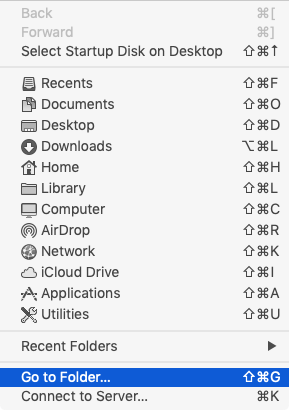
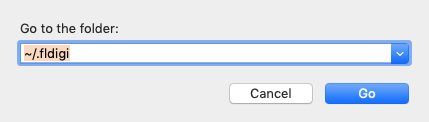
On Mac OS, the FLDIGI configuration data folder is hidden. You can navigate to the macro file by executing the following steps:
Once MemTest86 loads, it displays a graphical interface. Click or wait for the automatic countdown.
In the left sidebar, expand and click on System .
—never cancel a memory test early. Check for errors —any error is a sign of failure. how to run memory diagnostics
Running memory diagnostics is a critical troubleshooting step for identifying hardware instability, such as system crashes, "blue screens," or performance degradation. The most common and accessible method for Windows users is the built-in tool, though advanced users may prefer third-party utilities like MemTest86 . 1. Running the Windows Memory Diagnostic Tool
The system slows down drastically over hours of use, which temporary restarts only briefly fix. Once MemTest86 loads, it displays a graphical interface
Running a memory diagnostic is one of the few PC troubleshooting steps that is free, fast, and definitive. You no longer have to guess why your computer is crashing. By following this guide, you have learned three distinct methods:
: Once the test completes, Windows will reboot. A notification usually appears with the results. —never cancel a memory test early
If diagnostic tools confirm hardware errors, follow these steps to resolve the issue:
Structure: Start with an engaging intro explaining RAM issues and the importance of diagnostics. Then list common symptoms to help users self-diagnose. The main body: primary method using Windows Memory Diagnostic tool (mdsched.exe), covering both GUI and command line, and the restart/next boot process. Then the advanced method: creating and using MemTest86 on USB. Also mention third-party tools like HCI MemTest for running within Windows. Include how to access logs (Event Viewer) and interpret error patterns. Finally, what to do if errors are found (reseat RAM, test sticks individually, warranty replacement). Add a conclusion and safety tips.
Once the test finishes (typically 10 to 30 minutes), your PC will automatically reboot into the standard Windows desktop. Windows usually displays a pop-up notification with the results. If the notification does not appear, you can find the detailed log via the :
Review the log details in the bottom pane to see if any errors were detected. Method 2: Using MemTest86 (Advanced & Most Accurate)